
Hoi An can feel like a living movie set. This private, guided run through the old town and market is one of the fastest ways to understand how people here live, trade, and worship. I especially love the stop-and-explain rhythm: you see a place, then you learn why it matters. I also like that you are not just window-shopping, the tour walks you into the everyday side of Hoi An, from the market to a traditional weaving stop. The only real consideration is that this is a 3-hour format, so you will still want extra time on your own if you want to linger.
If you want a careful overview without getting lost, this tour is built for that. The English-speaking guide, plus the Japanese Covered Bridge and centuries-old houses, makes the sights easier to connect than doing them one by one. My one drawback is simple: you will cover a lot of ground in a short time, so comfortable shoes are not optional.
Key highlights worth marking on your map
- Hoi An Central Market for real local trading and a quick crash course in daily life
- Phuc Kien Assembly Hall and the living culture around it
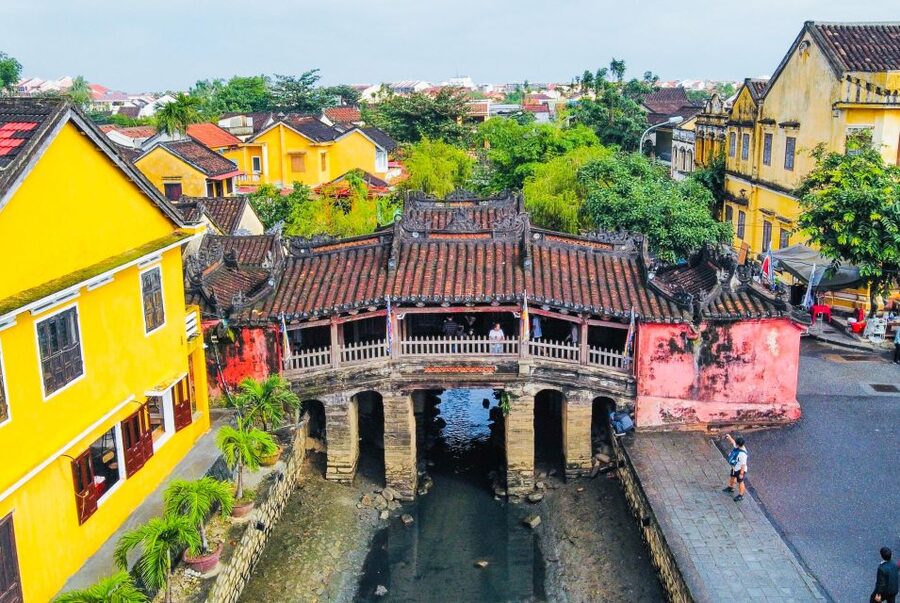
- Japanese Covered Bridge as the iconic symbol you can finally place in context
- Tan Ky ancient house built in the late 18th century, with architectural details you can notice
- Hoi An Folk Museum for how modern life differs from the older version
- Silk weaving workshop and cultural music and dance performance for craft and performance culture
Thirty minutes down the coast, more of the Ancient Town
- Hoi An: Basket Boat Ride in the Coconut Forest
★ 4.9 · 4,956 reviews - Hoi An: Vietnamese Coffee Culture and Coffee Making Class
★ 4.9 · 4,006 reviews - Hoi An: Vietnamese Foldable Lantern Making Class
★ 4.9 · 3,742 reviews - Cooking Class Hoi An:Local Market, Basket Boat, Fishing & Cooking
★ 5.0 · 3,660 reviews
How this private tour actually helps you in Hoi An
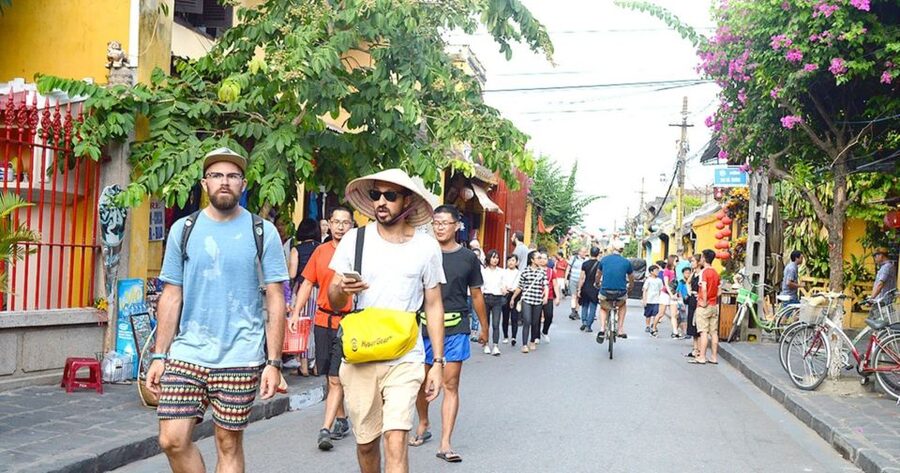
Hoi An has a way of pulling you into slow wandering. The problem is, if you do it solo with no plan, you can end up taking photos but missing the meaning. This tour solves that with a simple structure: a guided start in the market, then a tidy route through the old town’s most recognizable cultural landmarks, and finally a couple of stops that connect the past to the present.
Because it is private, you can match the pace to your group. If you have questions, you get answers right then, not later on your hotel bed. And since hotel pickup and drop-off are included, you do not waste time figuring out transport across Da Nang and Hoi An.
The best part is that the route is not only about big-ticket icons. You will see the market first, then jump into assembly hall culture, a centuries-old merchant house, and a folk museum. That order matters. It gives your brain a timeline of what to look for.
Price and what you get for $40 per person
At about $40 per person for a 3-hour private tour, the value comes from what is bundled together. You are paying for an English-speaking guide, hotel pickup and drop-off, private car transfer, entrance fees for the activities you visit, and even a bottle of water.
If you try to recreate this yourself, you would likely pay separately for a guide, individual entry tickets, and transport time. Even if you find low-cost entry options, the guide’s job is not just gate access. They help you connect the dots between the sites, like how community halls connect to worship and trade, or how old houses reflect the way merchants lived.
So yes, it is not the cheapest way to see Hoi An. But it is a practical way to see a lot of the core story in a short morning, without turning the day into logistics.
Timing, starting point, and why the schedule feels “just right”
You start at 8:00 at Hoi An Central Market. The tour is designed to keep you moving, and it fits well into a sightseeing day that also includes the river, lantern streets, or beach time in the afternoon.
The plan also includes a cultural music and dance performance at a traditional Hoi An house, scheduled at 10:15 or 15:15 daily depending on your day’s slot. That means the tour is set up for more than just daytime monuments. You get a performance element, which is a big deal in a place where traditions still shape daily life.
By 11:00, you return to your hotel. If you feel like continuing on your own, you can. If you prefer a clean reset, you have your rest time built in.
More of the city itself, between the beach and the bridges
- Hoi An/ Da Nang – Ba Na Hills – Golden Bridge Deluxe Small group★ 5.0 · 2,613 reviews
- Da Nang/Hoi An: Hue Imperial City via Hai Van Pass & Lunch★ 4.7 · 753 reviews
- Hoi An/Da Nang: Golden Bridge , My Son Sanctuary & Marble Mt★ 5.0 · 725 reviews
- Hoi An/Da Nang: Vietnamese Cooking Class with Transportation★ 4.9 · 297 reviews
- Hoi An/Da Nang Ba Na Hills – Golden Bridge small group★ 5.0 · 274 reviews
Stop-by-stop walkthrough: what you’ll see and what it means
1) Hoi An Central Market, 8:00 start
The market stop is not there to fill time. It is your orientation point. You will experience the rich, colorful flow of trading and learn how locals buy and sell in a traditional market setting.
What I like about starting here is that the rest of the tour suddenly makes more sense. Later, when you visit assembly halls and merchant houses, you can connect them to the commercial life you just saw. It is the difference between seeing old architecture and understanding why it existed.
Practical tip: plan to pause. If you rush through the market photos, you might miss the small routines that make it feel real.
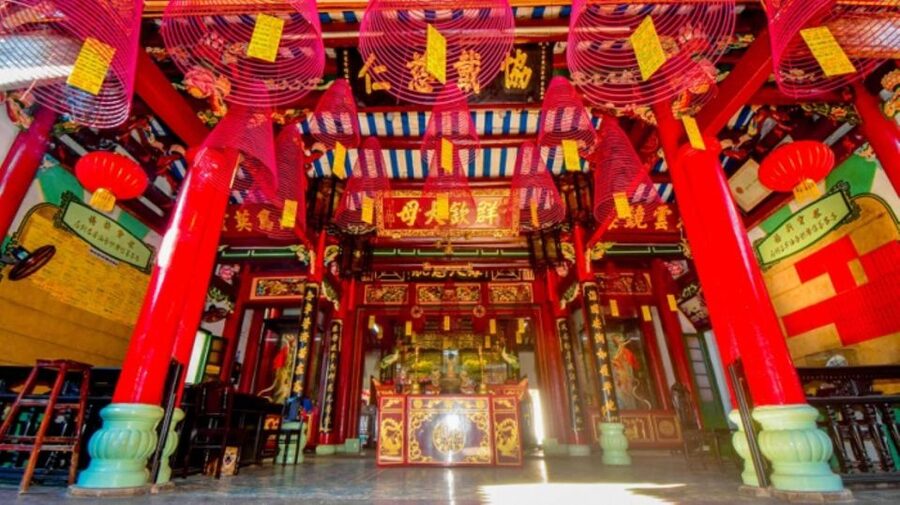
2) Phuc Kien Assembly Hall and the culture behind it, about 8:30
Next comes the Phuc Kien Assembly Hall, followed by learning about living and worshiping culture here. This is where Hoi An’s community structure starts to click. Assembly halls connect people with shared roots, shared social ties, and worship practices.
This stop is also a good reminder that Hoi An is not only about tourist streets. You are stepping into a place where people historically gathered for community life. Even if the setting is quieter than the market, it has its own energy.
Look for details the guide points out, especially anything about symbols and how the hall is used. Those cues are often what make the architecture meaningful rather than decorative.
3) The Japanese Covered Bridge, the symbol you can finally place
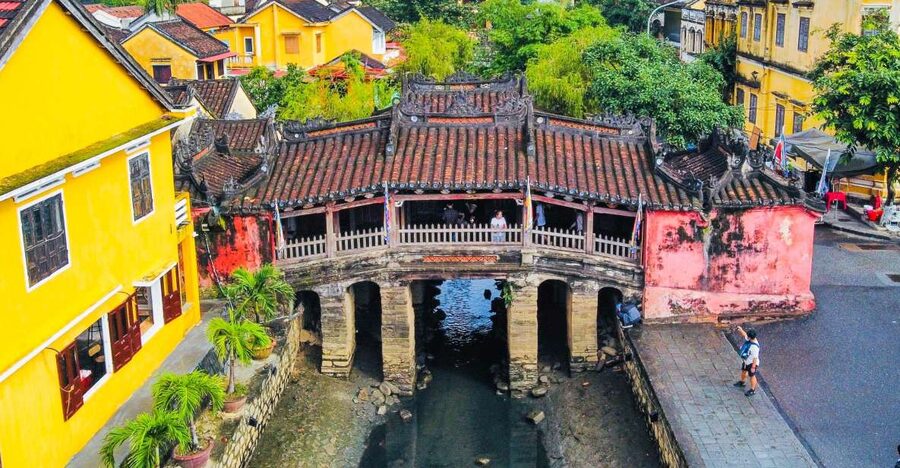
Then you reach the Japanese Covered Bridge, a bridge considered the symbol of the city. It is famous, but a guide makes the difference between recognizing a photo and understanding why it is important.
The covered structure also helps you slow down. You get a shaded moment in the middle of sightseeing, and you can notice the bridge’s cultural features hidden behind the main view. The guide’s explanations help you understand how something that looks simple can carry a deep local story.
Quick reality check: this is usually one of the first places people visit in Hoi An, so expect it to be busy. The private format still helps because you are not stuck waiting in a large crowd for your turn to listen.
4) Art shops and daily-life glimpses along the way
Along the route, the tour includes stops at art galleries and art shops on the road, where you can see pictures and get a better sense of Hoi An’s charm. The goal is not shopping pressure. It is context.
When you see how artists capture daily life, you begin to notice things you would otherwise overlook: the shapes of shopfronts, the everyday street scenes, and the way the old town still carries routines from one generation to the next.
If you are not in a buying mood, you can still treat this as a visual stop. Let it build your understanding before you head into the houses and museum.
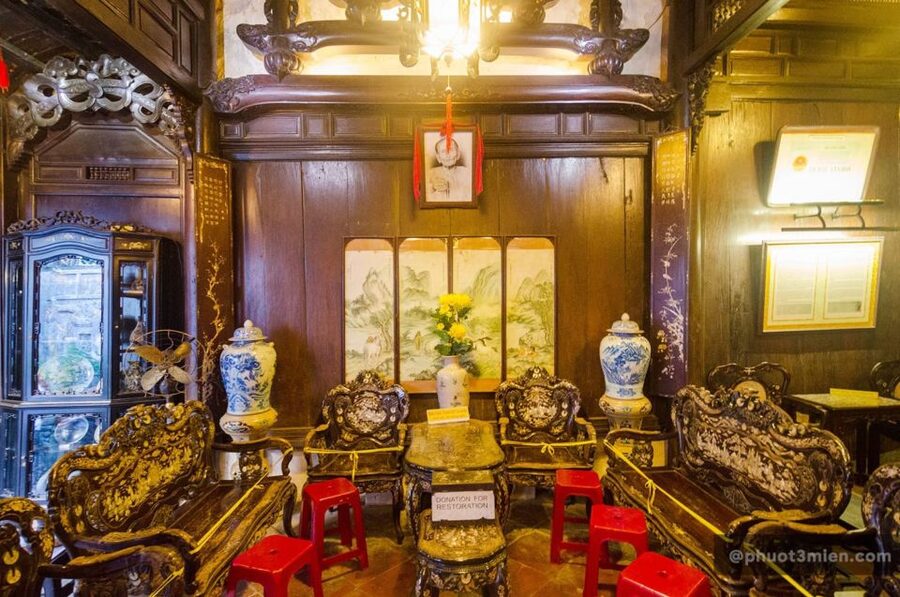
5) Tan Ky ancient house, one of the oldest, late 18th century
Now you get the kind of stop you can really take your time with: Tan Ky ancient house, built in the late 18th century. The tour frames it as one of the oldest houses in the area, and that age shows when you start looking at how the spaces are shaped for daily life.
This is where old Hoi An stops being “pretty streets” and becomes “how people lived.” You can often spot practical design choices that supported family life and commerce back then.
The drawback of houses anywhere is that they can feel crowded if you arrive without timing. Here, the guide’s route and pacing helps you absorb the house without feeling like you are sprinting.
6) Hoi An Folk Museum, comparing old and modern life
After Tan Ky, you visit the Hoi An folk museum. The value here is comparison: learning more about living culture and the differences of people in Hoi An modern and old.
A museum visit is sometimes a “sit and read” situation. Here, it is part of the same narrative as the market and the old house. You are building a picture of what changes, and what stubbornly stays the same: community life, crafts, and values.
If you like cultural context more than empty sightseeing, this stop is one of the best.
7) Silk weaving workshop, the craft that kept people working
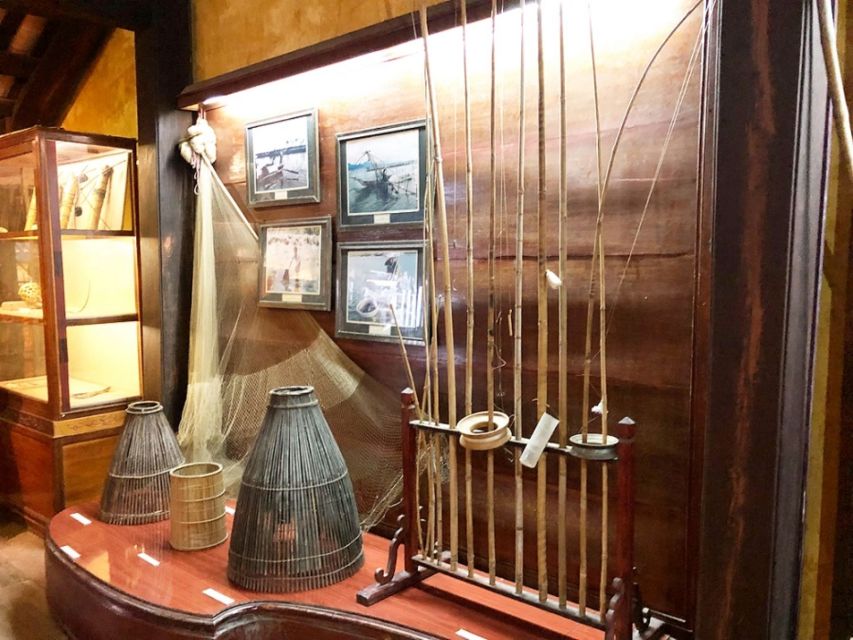
Next is the city’s famous silk weaving workshop. You will learn about the long-standing traditional weaving and embroidery craft in Hoi An.
This is one of those stops that can be either informative or salesy, depending on the operator. With this tour format, it is positioned as a cultural learning moment. Even if you only pick up a few basics about how the craft works, it gives you a reason to understand why silk and textiles matter so much here.
Practical tip: if you want to shop later, pay attention here. You will know what you are looking at when you see similar textiles around town.
8) Traditional music and dance performance, 10:15 or 15:15
Finally, you enjoy a traditional music and dance performance at a traditional Hoi An house. This is the cultural closer, and it helps you finish the tour with something sensory, not just visual.
If you are the type who enjoys movement and sound more than museums, this part might be your favorite. It also acts like a reset for your brain after walking and looking.
Because the tour includes a morning return at 11:00, the performance timing matters based on the slot you book. Check the availability times so you know whether your day lines up with 10:15 or 15:15.
The transfer from Da Nang matters more than you think
Many Hoi An tours assume you are already based in town. This one includes pickup and drop-off at your hotel lobby in Hoi An or Da Nang, plus a private car transfer.
That is a real quality-of-life benefit if you are staying in Da Nang. You avoid the time sink of coordinating transport, and you start your morning with less stress.
One heads-up: from February 8 to 15, transportation services charge an additional 300,000 VND due to overtime for TET Holiday. If you are traveling around then, factor it into your budget.
What to bring and how to get the most out of 3 hours
The tour is only 3 hours, so small things have outsized impact. Bring comfortable shoes, and plan to move at walking pace for most of the tour.
Also consider your energy level. You will see a market, multiple cultural sites, and a performance. It is not a sit-down lunch tour. If you usually like a slow day, book it for the time of day when you still have energy.
If you have sensitive eyes or just dislike bright light, a hat can help during outdoor walking segments, especially early morning.
Who this tour fits best
This works especially well if you:
- Want the classic Hoi An sights with clear explanations and a logical route
- Appreciate cultural context, not just photos
- Are staying in Da Nang and want a smooth day without transport hassle
- Prefer a private group pace and an English-speaking guide
It might be less perfect if you:
- Want to spend a long time lingering in each place
- Plan to do Hoi An at a very slow, wander-every-street style
- Hate structured schedules, even short ones
Practical value vs. DIY: my honest take
DIY can work in Hoi An if you are comfortable navigating and you already know what you are looking for. But this tour gives you the “what and why” quickly. You see the Japanese Covered Bridge, Tan Ky ancient house, and the Folk Museum with a guided thread connecting them to daily life, trade, and culture.
The market-first strategy is the most useful part. It helps you understand the rest of the old town instead of treating each stop like a separate postcard.
Should you book this Hoi An market and old town private tour?
Book it if you want an efficient, guided overview that connects Hoi An’s market life, centuries-old houses, and community culture into one smooth 3-hour experience. The inclusion of hotel pickup and drop-off, private transfer, entrance fees, and an English-speaking guide makes it a solid value for a first trip or a short stay.
Skip it or consider a longer option if you know you want to linger for hours, because this route is designed to cover key points rather than spread them out. If you like structure, you will probably love how fast you get your bearings.
FAQ
What is the duration of this private tour in Hoi An?
The tour duration is 3 hours.
Where does the tour start?
The tour starts at 8:00 at Hoi An Central Market.
Is pickup and drop-off included?
Yes. Pickup and drop-off are included at your hotel lobby in Hoi An or Da Nang.
What stops are included during the tour?
You will visit Hoi An Central Market, Phuc Kien Assembly Hall, the Japanese Covered Bridge, Tan Ky ancient house, Hoi An Folk Museum, a silk weaving workshop, and you will also attend a traditional music and dance performance at a traditional Hoi An house.
What time is the traditional music and dance performance?
The performance is scheduled at 10:15 or 15:15 daily.
Is the old town entrance ticket included?
Yes, the Hoi An old town entrance ticket is included.
What should I bring to this tour?
Wear comfortable shoes, since you will be walking through multiple areas of old town.
The Ancient Town, Other Walks


Still in Da Nang? Keep Going


Hoi An, A Few More Ways


Just added around Hoi An



Hoi An Ancient Town Tours, compared.
 ★ 5.0Marble Mountains – Hoi An Ancient Town Sunset Daily Ingroup TourFrom $33690 reviews
 ★ 5.0Hoi An Ancient Town Walking Tour with a LocalFrom $9517 reviews
 ★ 4.9The Lantern Lady: Traditional Lantern Class in Old TownFrom $6444 reviews
 ★ 4.9Hoi An Ancient Town – Walking Tour with Local GuideFrom $14385 reviews
 ★ 4.8Hue Imperial Ancient City Walking TourFrom $2308 reviews
 ★ 5.0Linh Ung Pagoda – Marble Mountains – Hoi An Ancient Town Daily Ingroup TourFrom $39299 reviews
 ★ 5.0Hoi An Night Market – Ancient Town street food tours by NightFrom $45165 reviews
 ★ 4.5Marble Mountains – Hoi An Ancient Town Afternoon Tours FROM DANANG(15H30-21H)From $37162 reviews
Browse the lists this tour appears in