

REVIEW · COOKING CLASSES
Home Cooking Class: Market, Garden and cooking 4 dishes
Cooking in Da Nang becomes real food. In a small group of up to nine or ten, you shop ingredients at Han Market, cook four classic dishes with a local family, and eat what you make with Vietnamese coffee, but it is dependent on weather for that garden time.
I especially like the hands-on pace, because you are not just watching. The other big plus is the market-to-kitchen flow, so the flavors you cook actually come from what you picked up.
One thing to keep in mind: it is a 4-hour day, so you will get useful skills, not a long, slow masterclass.
You’ll likely meet instructors described in past classes such as Jane and Nhi, and you may hear lots of practical English help from people like Lyn, Sophia, and Anna. Either way, you should expect an English-speaking instructor, recipe copies in English, plus water and a dessert included.
For Da Nang sightseeing, the experience also includes a stop at Da Nang Cathedral before you head to the cooking house.
Key reasons this class is worth your time

- Up to 9 travelers means you actually cook, not just hover
- Han Market ingredient shopping ties every dish to what you select
- Garden and farming activity gives context for the herbs and vegetables
- Cook four dishes yourself with English recipe copies to take home
- Vietnamese coffee and dessert included to round out the meal
Other markets worth an early walk
- 5 Dishes Cooking Class with Market Trip in Da Nang
★ 5.0 · 466 reviews - 5 traditional dishes Da Nang cooking class with market trip
★ 5.0 · 331 reviews - Da Nang Cooking Class with Coffee Tasting and Market Visit
★ 5.0 · 310 reviews - Guided Tour to Marble Mountains & Hoi An Walking Tour , Night Market, Boat Ride
★ 5.0 · 218 reviews
Market-to-kitchen starts at Han Market

This is the kind of cooking class that starts like a real meal in Vietnam, not like a demo. You begin by getting picked up at hotels in the Da Nang center, then you head to Han Market, a key stop in the area for everyday ingredients.
What I like here is the logic. When you shop the market with your instructor, you learn what to look for, and you hear why certain items matter for flavor and texture. You also get practice reading ingredient basics, like how to choose papaya or mango at the right firmness, and what shrimp should look like if it is being used in a salad.
One practical note: markets involve stairs, crowds, and lots of foot traffic. Wear comfortable shoes and plan to use light, quick hands. You’ll be standing and walking more than you might expect for a 4-hour experience.
The short sightseeing stop that helps you place the day
Along the way, you make a stop at Da Nang Cathedral. This part is brief, but it helps break the schedule into two clear halves: market and cooking.
Think of it as a pause to reset your bearings. You are spending the morning or afternoon with food, but you still get a small cultural waypoint so the day feels anchored to Da Nang, not just a kitchen session.
Farm and garden time, the practical kind
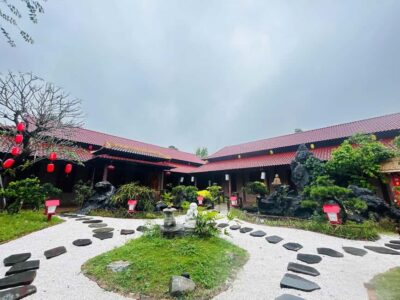
A big part of why this class feels authentic is the farming activity. You join the farmers preparing the land and growing vegetables, then you practice as a Vietnamese farmer by getting hands-on with how produce is cultivated.
Even if you have zero experience, this segment tends to make the recipes click. Herbs, greens, and crunchy vegetables are not random extras once you have seen where they come from and how they are cared for. It also helps explain why Vietnamese cooking often leans hard on fresh herbs, bright acidity, and clean vegetable flavors.
Weather matters here. The experience requires good conditions, and if it is canceled because of poor weather, you will be offered a different date or a full refund. If you are choosing between multiple days in Da Nang, pick the one with the best forecast so you do not miss the garden portion.
More kitchens open to visitors in Da Nang
- 5 Dishes Cooking Class with Market Trip in Da Nang★ 5.0 · 466 reviews
- Da Nang Authentic Home Cooking Class★ 5.0 · 354 reviews
- 5 traditional dishes Da Nang cooking class with market trip★ 5.0 · 331 reviews
- Hoi An: Lantern Making, Basket Boat, and Cooking Class★ 4.9 · 233 reviews
- RICE PAPER Noodle Making Experience & Hoi An Cooking Class Class★ 5.0 · 164 reviews
Tea tasting and Vietnamese coffee, not just drinks on the side

You get included tasting time that usually centers on Vietnamese flavors. The experience specifically includes Vietnamese coffee tasting, and the schedule also mentions tea tasting as part of the day.
Why that matters: coffee and tea in Vietnam are not afterthoughts. They are part of the social rhythm of eating, and they often show up during breaks when people talk and compare what is happening in the kitchen.
So yes, you will drink something during the experience, but it is more than sipping. It helps you slow down for a moment between ingredients and cooking, and it keeps the day feeling like a real household meal rather than a checklist.
Cooking session: 4 dishes, two different menus by day

The heart of the class is the hands-on cooking at a local house. After the market and farming/garden time, you cook four dishes and then eat what you make.
The menu changes based on the day of the week, which is great if you want variety across a repeat visit:
- Mon, Wed, Fri, Sun menu
- Quang noodle
- Fish sauce chicken wing
- Green papaya salad with shrimp
- Deep-fried spring rolls
- Tue, Thur, Sat menu
- Beef noodle soup
- Crispy Vietnamese pancakes (Banh Xeo)
- Green mango salad with shrimp
- Fresh spring roll
Here’s how to think about those dishes. The salads (papaya or mango) teach freshness plus balance, and the shrimp adds a seafood note without overwhelming acidity. The spring roll style gives you a chance to handle wrappers and practice rolling, not just cooking. The mains cover both comfort and crunch, with noodle dishes and either chicken wings or Banh Xeo.
What you actually learn in the kitchen

You are taught cooking skills by a local family, with an English-speaking instructor guiding the process. The key is that you do real steps, not just watch someone else do everything.
From the dishes selected, you can expect to practice a few core techniques that show up again and again in Vietnamese home cooking:
- Building flavor with sauces like fish sauce, then adjusting for balance
- Handling fresh herbs and crunch vegetables for salads
- Working with noodle or pancake-style cooking so timing matters
- Frying or pan-cooking methods for spring roll and Banh Xeo style dishes
Past classes also highlighted how instructors can be patient and practical, which is exactly what you want when you are learning techniques that feel new. You can also expect recipe copies in English, which helps you repeat what you made once you get back home.
Coffee, dessert, and eating the food you made

After cooking, you eat the meal you prepared. That part sounds obvious, but it is worth calling out because it changes the whole experience.
When you sit down to the food you made, you learn in a feedback loop. You taste what you cooked and immediately understand what the instructor meant when they described the flavor targets. And because Vietnamese meals often blend salty, sour, sweet, and herb notes, you get a clearer sense of balance than you would from a single-dish preview.
Dessert and water are included, and Vietnamese coffee is tasted during the experience. If you are someone who enjoys ending cooking classes with a proper meal, this schedule is set up for that.
Price and value: $26 for a small-group food day

At $26 per person for about 4 hours, this class is fairly priced if you compare it to other food-focused activities in Vietnam.
You are paying for more than cooking instruction. You are also getting:
- Market shopping with ingredient selection
- A farming or garden activity component
- Ingredients for four dishes
- English recipe copies
- Vietnamese coffee tasting
- Dessert, plus water
- Hotel pickup in the Da Nang center for the full tour option
The small group size matters for value. When there are only up to about nine or ten people, you are more likely to handle steps yourself and ask questions. That is usually where the “cheap class” problem shows up. Here, the group limit pushes the experience toward personal attention rather than crowd control.
Timing and pacing: what a 4-hour class feels like
You have two time windows: either an early session or an afternoon session.
- Early option: pickup around 8:00 AM to 8:30 AM, then the cooking house portion starts around 9:15 AM, and the tour ends around 12:00 PM.
- Afternoon option: pickup around 2:00 PM to 2:30 PM, the cooking portion starts around 3:15 PM, and it ends around 6:00 PM.
This pacing is realistic. You get a market run, a farm or garden segment, and then a cooking session that still leaves time to eat. It is not a rushed sprint, but it is also not a half-day that stretches into a whole-day food crawl.
If you prefer mornings, the early session can work well because you get your shopping and cooking done before the hottest part of the day. If you like a later start, the afternoon slot lets you spend your morning seeing Da Nang and then switch into food mode.
Who this suits best, and who might skip
This class fits you if you want practical Vietnamese cooking skills, not just photos with a pot. It is also a good match if you enjoy market life and want to learn how ingredient quality affects your final dish.
It is especially appealing for:
- Couples or small groups who want hands-on attention
- Food lovers who like learning sauces, salads, and noodle or pancake techniques
- Families or mixed-age groups who can handle walking in a market and working at a cooking station
You might skip it if you are looking for a long, in-depth culinary bootcamp. This is four dishes in four-ish hours. You will leave with solid skill and recipes, but it is not designed for deep specialization.
Should you book the Da Nang Home Cooking Class?
I’d book it if you want a small-group, market-linked experience that teaches you how Vietnamese home cooking tastes, not just how it looks. The best argument is the whole flow: market ingredient selection, a garden and farming context, then hands-on cooking of four dishes you eat afterward, with Vietnamese coffee and dessert included.
Before you commit, check what menu day you are booking. If you care about a specific dish like Quang noodle, Banh Xeo, papaya salad, or beef noodle soup, the day of the week determines the lineup.
If you time it with good weather, you’ll get the garden portion too. And if you like recipes you can follow later, the English recipe copies make this class feel more transferable than a one-time meal.
FAQ
How long is the Da Nang home cooking class?
It runs for about 4 hours.
How big is the group?
The experience is listed as having a maximum of 9 travelers in the description, and a maximum of 10 travelers in the additional information.
What dishes will I cook?
You cook four dishes, and the menu depends on the day: Mon, Wed, Fri, Sun include Quang noodle, fish sauce chicken wing, green papaya salad with shrimp, and deep-fried spring rolls. Tue, Thur, Sat include beef noodle soup, crispy Vietnamese pancakes (Banh Xeo), green mango salad with shrimp, and fresh spring roll.
Is pickup included?
Pickup is offered for the full tour option. The pickup is described as starting from Da Nang center hotels. Drop-off service is not included.
Will there be English support?
Yes. The class includes an English-speaking instructor, and you receive recipe copies in English.
What happens if weather is poor or I need to cancel?
The experience requires good weather. If it is canceled due to poor weather, you will be offered a different date or a full refund. Cancellation is free up to 24 hours in advance for a full refund.
More Kitchens Worth Booking


Other Markets Worth the Early Walk

More Tour Reviews in Da Nang


Just added around Da Nang





Cooking Classes, compared.
 ★ 5.0Cooking Class Hoi An:Local Market, Basket Boat, Fishing & CookingFrom $283,660 reviews
 ★ 5.0Hoi An Cooking Class(Market,BasketBoat Crabfishing&Cooking Class)From $283,386 reviews
 ★ 4.8From Hoi An: Market Tour, Basket Boat Ride and Cooking ClassFrom $172,208 reviews
 ★ 5.0Hoi An Cooking Class(Local market,Basket Boat,Fishing & Cooking)From $281,323 reviews
 ★ 4.9Hoi An: Basket Boat Ride, Cooking Class by HangcoconutFrom $19802 reviews
 ★ 5.0Hoi An Eco Tour Cooking Class & Fishing (Local market,basket boat,learn cooking)From $29567 reviews
 ★ 5.05 Dishes Cooking Class with Market Trip in Da NangFrom $39466 reviews
 ★ 5.0Hoi An: Bay Mau Eco Cooking TourFrom $35409 reviews
Browse the lists this tour appears in