
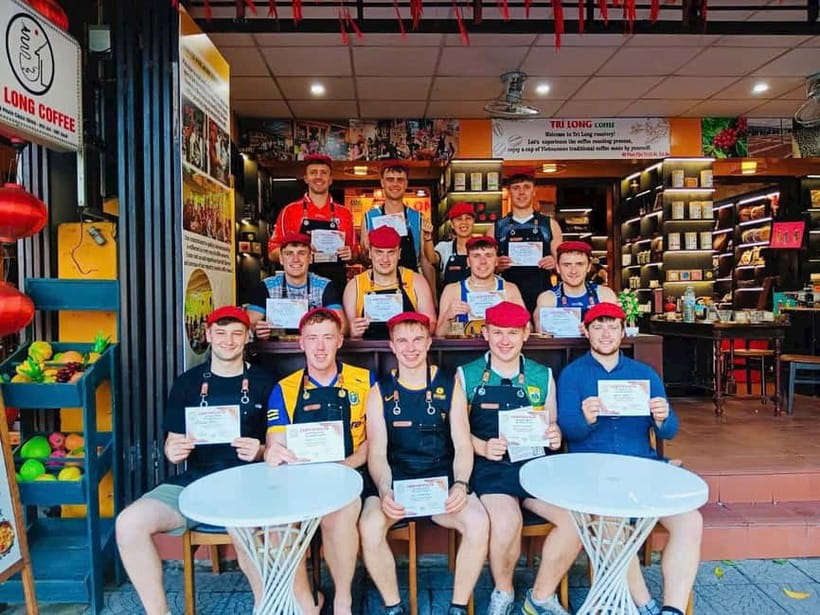
REVIEW · COFFEE EXPERIENCES
Vietnamese Coffee Making Class in Hoi An
Vietnamese coffee tastes like nothing else. In Hoi An, this class is a hands-on way to learn Phin filter technique and how roasting changes flavor. You’ll make a traditional cup yourself, so it’s not just watching.
I especially like that you can choose what you make, from egg coffee to coconut or salt options. The small group format also keeps the pace friendly, and an English-speaking instructor helps you follow each step. One drawback to note: the session can feel fast and heavy on caffeine and richness, so if you are sensitive to either, plan accordingly.
Key things I’d watch for
- Hands-on coffee making with tools and ingredients provided
- Roast-level lessons that explain why taste changes in the cup
- Phin slow-drip coffee for that bold, robust Vietnamese style
- Egg, coconut, and salt coffee options so you can build your own tasting set
- Small group (up to 10) so you can ask questions as you go
Thirty minutes down the coast, more of the Ancient Town
- Hoi An: Basket Boat Ride in the Coconut Forest
★ 4.9 · 4,956 reviews - Hoi An: Vietnamese Coffee Culture and Coffee Making Class
★ 4.9 · 4,006 reviews - Hoi An: Vietnamese Foldable Lantern Making Class
★ 4.9 · 3,742 reviews - Cooking Class Hoi An:Local Market, Basket Boat, Fishing & Cooking
★ 5.0 · 3,660 reviews
Downtown Hoi An, coffee lessons you can actually use
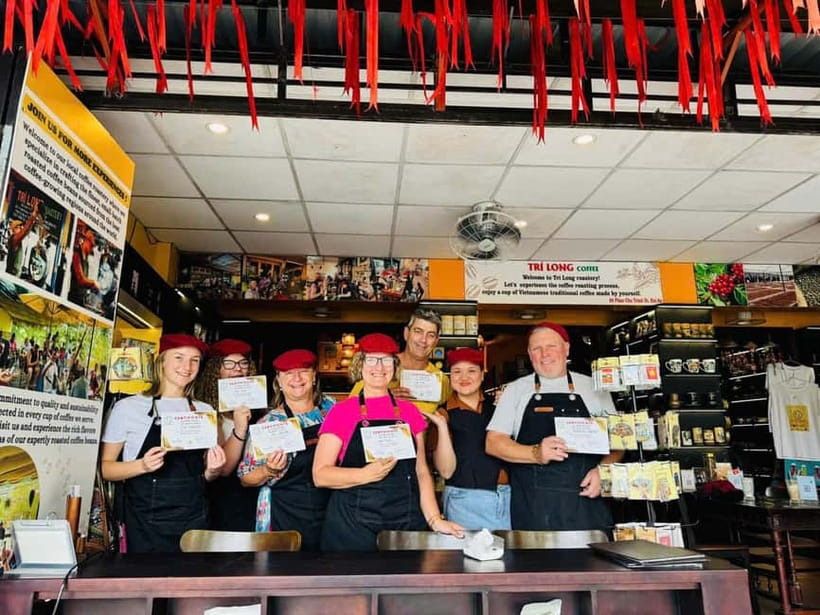
Hoi An is the kind of place where it’s easy to spend a day wandering, then realize you’ve had coffee the whole time without really understanding why it tastes the way it does. This class fixes that. You learn what roasted beans contribute, then you practice Vietnamese brewing styles in a way you can repeat later at home.
The whole experience runs about 1 to 90 minutes, and you can usually pick 2 or 3 different coffee sessions. That matters, because Vietnamese coffee isn’t one single drink. It’s a set of methods and flavor tricks that shift bitterness, sweetness, creaminess, and aroma.
You also get a cup made by you. That sounds small, but it turns the class from a talk into an experience. And at $16 per person, the value comes from what’s included: instruction, water, ingredients, tools, and the final coffee you brew.
Price and what you get for $16
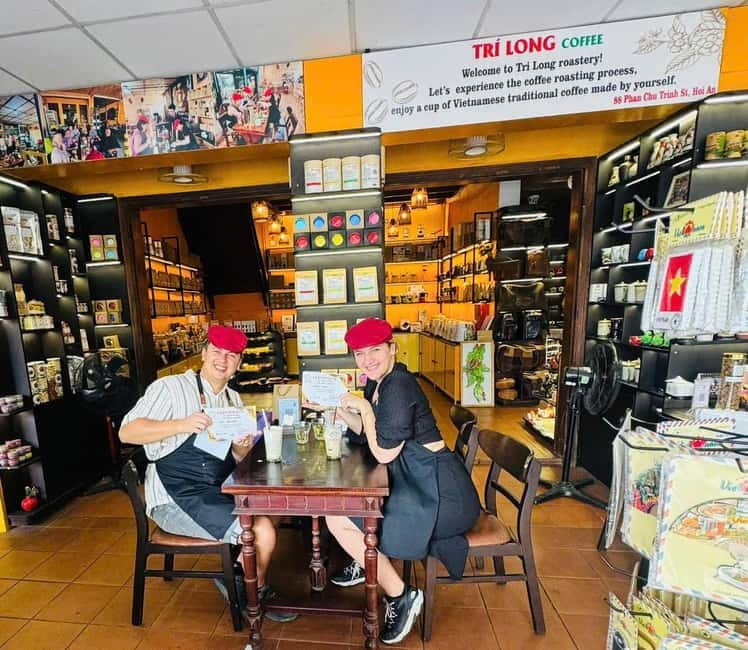
At $16, you’re not paying for a long meal or a guided driver around town. You’re paying for focused instruction and the ingredients to make coffee properly.
Here’s what you can expect to be included:
- The coffee you make
- The coffee making course
- Water
- Ingredients and tools
- An English-speaking instructor
And here’s what is not included:
- Hotel pickup and drop-off
- Food (plan on having something after, or bring a plan)
- Any other personal expenses not mentioned
The practical takeaway for your planning: you’ll want to schedule this at a time when you can sit for a short stretch after the class and enjoy the results. If you go right into a big walking block, you may be a little too caffeinated and sugared.
Where the class starts, and how to find it fast
The meeting point is Trí Long coffee, address 88 Phan Chau Trinh street, Hoi An. Look for a guide standing outside the coffee shop wearing a red hat.
Since hotel pickup is not included, it’s easiest if you’re already in downtown. This is one of those tours where arriving 10 minutes early helps you get oriented and not feel rushed.
Also note the group size is limited to 10 participants, so you’ll likely feel like this is an intimate, workshop-style stop, not a big factory of tourists.
More coffee, roasted and poured in front of you
- Hoi An: Vietnamese Coffee Culture and Coffee Making Class★ 4.9 · 4,006 reviews
- Vietnamese Culture and Coffee Making Class★ 5.0 · 497 reviews
- Hoi An: My Son Early Morning with Banh My and Coffee 6 am★ 4.7 · 205 reviews
- Hoi An: Vietnamese Coffee Making Workshop at Local Roastery★ 4.8 · 174 reviews
- Hoi An: Lantern and Coffee Making Class★ 5.0 · 154 reviews
Roasted coffee demonstration: understanding roast levels without the lecture
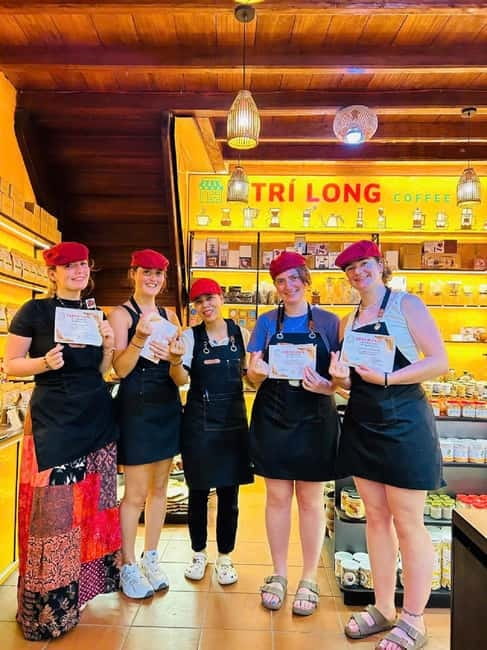
Most coffee tasting classes skip the “why.” This one starts with a roasting lesson, and it’s aimed at helping you taste differences later.
In the roasted coffee demonstration, you’ll learn how coffee beans move from raw to aromatic coffee and how roast levels influence the cup. Even if you don’t memorize roast curves, the key benefit is learning the relationship between roasting and what you taste, like:
- How deeper roasting can push flavor in a different direction
- How roast choice affects the final balance you perceive when sipping
This part is useful because Vietnamese coffee has strong personalities. If you understand roast basics, you can better appreciate the later specialties such as egg coffee or salt coffee, since those are built on top of a specific coffee foundation.
The Phin filter coffee session: the slow drip that defines Vietnamese style
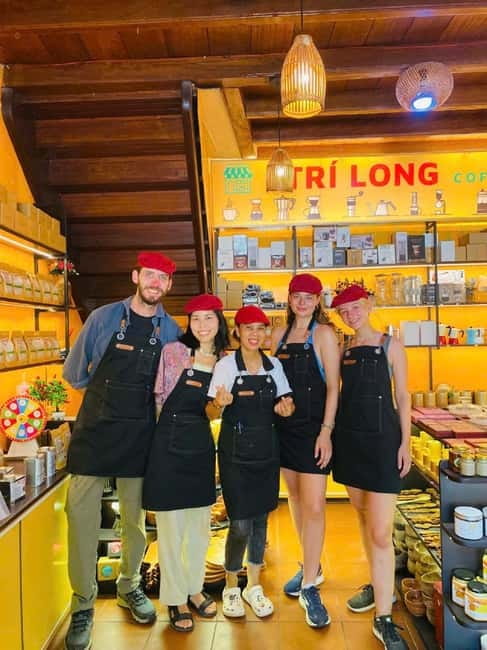
Next comes the signature brewing method: Vietnamese Phin filter coffee.
You’ll see how the Phin filter works, and why it produces a slow-dripping brew. This matters more than you’d think. When the drip is controlled and slow, you tend to get that bold, robust style Vietnamese coffee is known for. The class also explains the flavor logic behind the style, including the balance between bitterness and sweetness.
What you should pay attention to while you watch, and while you practice:
- The pace of the drip (this is the whole point)
- The look and smell as the coffee passes through
- How the drink tastes compared to faster brewed coffee you might be used to
If you’re new to Vietnamese coffee, this is the best anchor session. It gives you a baseline before you start experimenting with egg, coconut, or salt.
Egg coffee, Hanoi-style: creamy texture with a coffee core
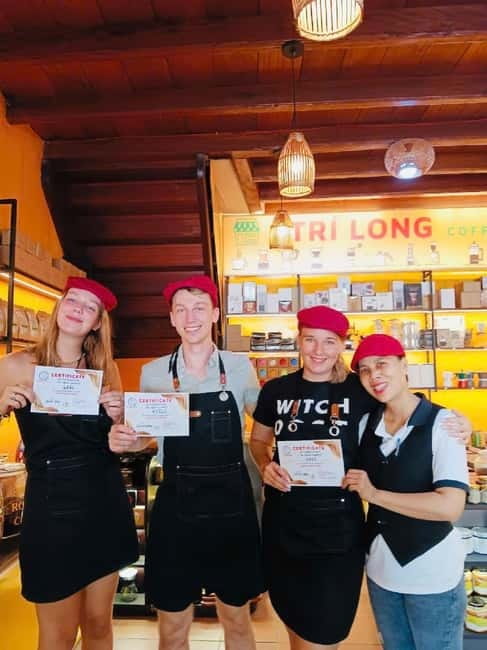
Then you move into one of the most famous Vietnamese specialties: Hanoi-style egg coffee.
This is the “wait, how is this coffee cream so smooth?” moment. In the session, skilled baristas (and then you, with guidance) prepare it using egg yolks, condensed milk, and sugar, combined with coffee. The result is described as creamy and velvety, with a rich taste that still centers on coffee.
A few practical things to know before you pick this option:
- Egg coffee is richer and sweeter than many traditional black coffees.
- It can feel intense if you’re drinking quickly or already had caffeine that day.
- If you avoid egg products for dietary reasons, choose another session (like Phin filter, coconut, or salt).
If you like dessert-like drinks but don’t want to give up the coffee flavor, egg coffee is often the most satisfying choice.
Coconut coffee: nutty sweetness you can smell before you sip
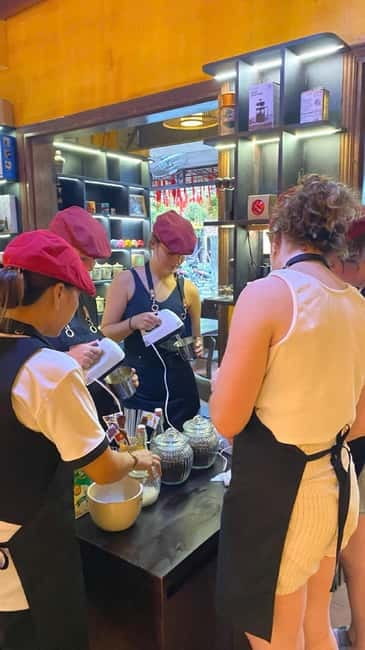
Coconut coffee is a flavor detour, and it’s a nice one. In this session, you learn how to infuse coconut into coffee so you get that nutty, slightly tropical sweetness.
This is the pick that feels best when:
- You want something different from the usual milk-and-sugar coffee pattern
- You prefer aroma and sweetness that doesn’t rely on egg cream
- You like lighter, more fragrant flavor profiles
The practical benefit is that coconut coffee gives you another axis of taste beyond roast level and extraction style. Instead of changing the brewing method, you’re adding flavor character that changes the whole drinking experience.
Hue imperial salt coffee: a small pinch with a big job
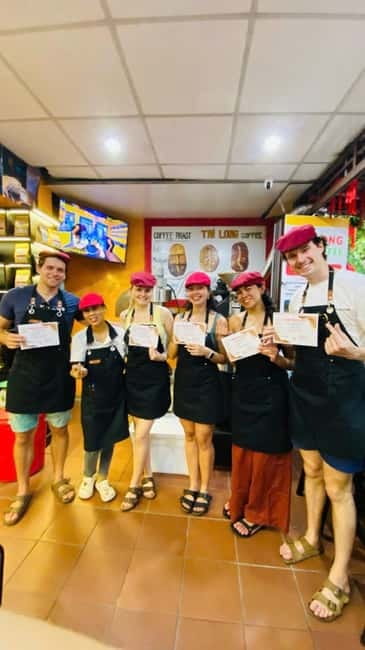
Finally, there’s Hue imperial salt coffee, where a pinch of salt is used to enhance the cup. The class explains that salt can reduce bitterness and bring out natural flavors, creating a more balanced taste.
This is a great session for two kinds of people:
- People who like weird-but-well-reasoned food experiments
- People who often find coffee too bitter and want a smoother finish without losing the coffee identity
How to think about it: this is not about making coffee taste salty. It’s about using a tiny ingredient to shift how bitter and sweet flavors land on your palate. If you’re someone who loves control and science-y flavor tricks, salt coffee is fun.
Choosing your 2 or 3 sessions: build your perfect tasting set
You can choose the type of coffee you want to make, including:
- Egg coffee
- Vietnamese Phin filter coffee
- Coconut coffee
- Salt coffee
Since sessions can be 2 or 3, use that flexibility to match your mood:
- Pick Phin filter plus one specialty if you want a baseline and then a twist.
- Pick egg coffee plus salt coffee if you like contrast, creamy plus balanced and less bitter.
- Pick coconut coffee plus Phin filter if you want something more aromatic and less heavy.
One more decision tip: if you’re traveling with someone with different preferences, coordinate your choices. You’ll end up with a more varied set of flavors without doubling the number of total drinks.
Small group, English instruction, and pace you can handle
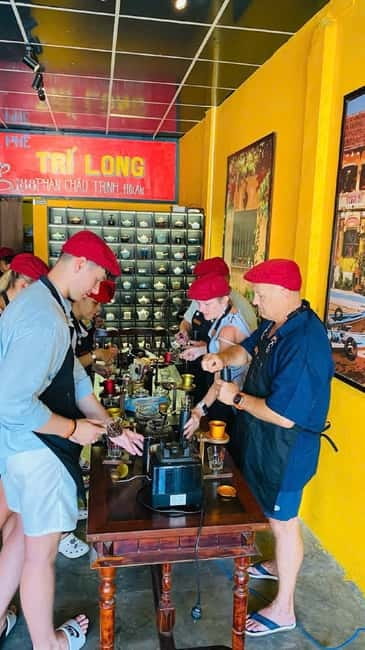
The class is limited to 10 participants, and it’s taught by an English-speaking instructor. That usually means you get enough attention to keep up, especially when you’re learning steps like brewing timing and mixing components for specialties.
There’s also an important pace consideration. Egg coffee and coconut coffee can be rich, and you might be drinking a few in a short time if you choose 3 sessions. One person noted that it was A LOT of richness and caffeine in a short period. That’s a real planning clue.
My advice:
- If you’re sensitive to caffeine, choose 2 sessions instead of 3.
- Take a slower sip during each coffee so the flavors have time to land.
If you want a non-coffee option
Coffee is the theme, so everything centers on coffee drinks. Still, there’s a practical note: the team has offered a chocolate drink substitution for the last coffee in at least one case. If you’re not able to drink that final coffee, it’s worth asking during the class so you can enjoy the session without forcing it.
Practical tips for getting the most out of the class
This workshop style works best when you show up ready to taste and compare. A few things I’d do:
- Ask how roast level changes flavor, then pay attention to what changes in the cup
- Taste each coffee slowly, even if you want to rush forward
- Choose the sessions that match what you actually like to drink, not just what sounds famous
Also, don’t be shy about asking for more context. One participant wanted a bit more background knowledge, which is a good sign that you can probably get extra explanation if you ask.
Who this class suits best, and who might skip it
This Vietnamese coffee making class is a strong fit if you:
- Love food and drink experiences that are hands-on
- Want to learn about Vietnamese coffee culture with practical technique
- Enjoy trying egg coffee, coconut coffee, or salt coffee specialties
- Have limited time and want a focused experience in downtown Hoi An
You might skip or adjust your expectations if you:
- Want a long, lecture-style deep education about coffee history and industry (the focus here is making the drinks)
- Avoid egg-based beverages
- Are sensitive to caffeine and don’t want multiple rich drinks close together
Should you book this Vietnamese Coffee Making Class in Hoi An?
Book it if you want a short, affordable, practical introduction to Vietnamese coffee, with real brewing and mixing skills. $16 feels reasonable because you’re making the coffee, not just tasting it, and you leave with a better sense of how roast level and Vietnamese methods change the cup.
Skip it only if you strongly prefer coffee knowledge in a long classroom format, or if you know you will not enjoy egg coffee or the heavier, sweeter styles. If you’re in Hoi An and curious about why Vietnamese coffee tastes the way it does, this is a smart use of an hour or two.
FAQ
How long is the Vietnamese coffee making class in Hoi An?
The class runs about 1 hour to 90 minutes, depending on the starting time and how many coffee sessions you choose.
What does the class cost?
It costs $16 per person.
Where do I meet the instructor?
Meet at Trí Long coffee, 88 Phan Chau Trinh street, Hoi An. Look for a guide standing outside wearing a red hat.
Is the class taught in English?
Yes, the instructor is English-speaking.
Can I choose which coffee I will make?
Yes. You can choose from options such as egg coffee, Vietnamese Phin filter coffee, coconut coffee, or salt coffee.
How big is the group?
It is a small group, limited to 10 participants.
What’s included in the price?
Included are a cup of coffee made by yourself, the coffee making course, water, and the ingredients and tools.
Is hotel pickup included?
No, hotel pickup and drop-off is not included.
Is there free cancellation?
Free cancellation is offered up to 24 hours in advance for a full refund.
More Tour Reviews in Hoi An


More Coffee in Hoi An


Hoi An, A Few More Ways
Just added around Hoi An






Coffee Experiences, compared.
 ★ 4.9Hoi An: Vietnamese Coffee Culture and Coffee Making ClassFrom $144,006 reviews
 ★ 5.0Early Morning My Son Sanctuary Trip w. Champa Food & CoffeeFrom $21629 reviews
 ★ 4.9Da Nang Coffee Making WorkshopFrom $17543 reviews
 ★ 5.0Vietnamese Culture and Coffee Making ClassFrom $15497 reviews
 ★ 5.0Da Nang Cooking Class with Coffee Tasting and Market VisitFrom $45310 reviews
 ★ 4.7Hoi An: My Son Early Morning with Banh My and Coffee 6 amFrom $18205 reviews
 ★ 4.8Hoi An: Vietnamese Coffee Making Workshop at Local RoasteryFrom $16174 reviews
 ★ 5.0Hoi An: Lantern and Coffee Making ClassFrom $24154 reviews
Browse the lists this tour appears in