
REVIEW · TRA QUE VEGETABLE VILLAGE TOURS
Farming with Farmers at ancient vegetable Village “Tra Que”
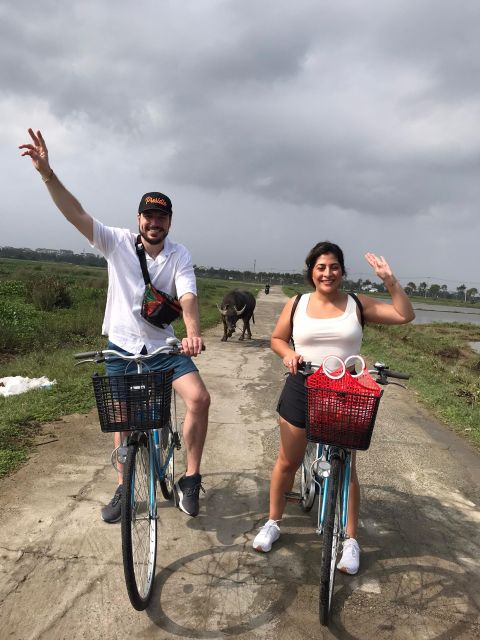
Tra Que Vegetable Village is where the day slows down. You’ll cycle out from Hoi An through rice fields, then step into a peaceful, herb-growing area that still uses manual methods. I love the mix of fresh countryside air and hands-on farming that makes this feel like a real working place, not a staged photo stop.
The second thing I like a lot is the food approach. You follow the local chef, learn what goes into the dishes, and then help cook your lunch, so you actually connect the farm work to what ends up on your plate. One more plus is that they’ll work around food preferences, including making an extra dish without coriander when requested.
The main drawback to consider is that this is an active, outdoorsy experience. You’ll be in farm spaces where you’re expected to join the work, then you’ll also ride a water buffalo and try a basketboat, so it helps if you’re comfortable with hands-on activities.
Key things I’d highlight before you go
- Cycle through rice fields for about 20 minutes before you even start the farm activities
- Explore a government-saved heritage village that grows 30+ types of herbs using manual methods
- Farm with the family using traditional tools, including seaweed fertilizing from the nearby lake
- Ride a water buffalo and row a basketboat between coconut palms
- Cook your own lunch with an English-speaking guide and a local chef
- Dietary requests can be handled, including coriander-free options when told in advance
Other Hoi An outings that fill up early
- Cocolocal Farm Cooking Class with market tour and basket boat
★ 5.0 · 231 reviews - Hoi An countryside cycling Tour,Basket Boat-organic farming-lunch
★ 5.0 · 85 reviews - Rural Hoi An Cycling, Cooking Class at Organic Farm
★ 5.0 · 72 reviews - Farming & Cooking Class in Hoi An – Small Group Tour
★ 5.0 · 71 reviews
From Hoi An to Tra Que by bike, then straight into farm life
The day starts with pickup at your hotel by bike, motorbike, or car, depending on what you prefer. You meet an English speaking guide, get a welcome drink, and then head out for a countryside cycle of around 20 minutes through rice fields. This is a great window to shake off city energy, because you’re traveling through farmland, cows, ducks, and buffaloes rather than traffic.
I also like that the ride feels practical and low fuss. You are not just being transported to an attraction, you’re moving through the same kind of setting that makes Tra Que unique. And since you’ll return to Hoi An after lunch and activities, this feels like a full story arc, not a quick stop and dash back.
If you choose pickup by car, there’s one important detail. You’ll understand that you take a private taxi back to town, so your timing and logistics feel a bit different at the end of the day.
Entering a 300-year-old herb village that still grows by hand
Once you arrive, you’ll explore Tra Que, described as an over 300-year-old vegetable village. The big idea here is that the village grows more than 30 types of herbs using manual methods, which you can actually see and hear when you’re walking the plots with the guide.
Tra Que is also framed as a saved heritage area by the government, and it sits on fertile ground near the river. That combination matters, because it explains why people keep cultivating here through generations. Instead of being a modern “farm theme,” it’s more like a living tradition with techniques that still make sense.
What makes the visit feel special is the atmosphere. You spend time in quiet, green, fragrant herb fields where vehicles and machinery are mostly absent. If you’ve only seen herbs sold in markets, this gives you context for how they grow, why they’re planted in specific ways, and how the garden supports everyday cooking.
And yes, there’s an eco-tour element focused on the heritage herb and vegetable garden. It’s not just walking, you’re learning as you go, including what ingredients and spices show up in local daily meals.
Eco-tour and first farming lessons: how the garden prepares for you
Before you start actively working, the guide and local team set the stage with traditional farming knowledge. You’ll learn about typical ingredients and spices that people use in everyday food, which turns the herbs from “pretty plants” into actual cooking tools.
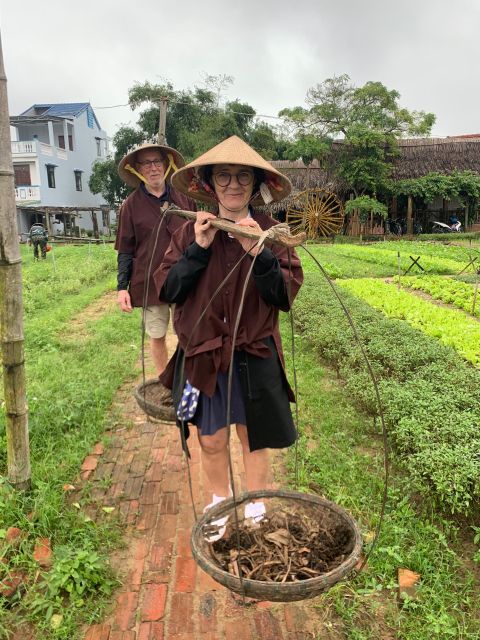
Then you move into the farm work itself. You join the preparing of the land and the fertilizing process, including using seaweed from the nearby lake. That detail is one of the more memorable parts because it’s a clear, old-school method tied to local resources. It also helps you understand why the garden feels so productive even when it relies on manual labor.
You’ll also practice traditional ground work. The process includes raking the soil with traditional tools, sowing seeds, watering young plants, and later picking herbs for your lunch. Even if you’re not a gardening person, this sequence is easy to follow. It’s structured like steps in a real farm day, not a random set of activities.
A practical note for your comfort: you’ll likely be standing and moving around outdoors for stretches. Wear shoes you trust for uneven ground and bring something with sun protection, because a farm day can get bright fast.
- Hoi An: Basket Boat Ride in the Coconut Forest★ 4.9 · 4,956 reviews
- Hoi An: Vietnamese Coffee Culture and Coffee Making Class★ 4.9 · 4,006 reviews
- Hoi An: Vietnamese Foldable Lantern Making Class★ 4.9 · 3,742 reviews
- Cooking Class Hoi An:Local Market, Basket Boat, Fishing & Cooking★ 5.0 · 3,660 reviews
- Hoi An Cooking Class(Market,BasketBoat Crabfishing&Cooking Class)★ 5.0 · 3,386 reviews
The hands-on part: from soil to seeds to lunch herbs
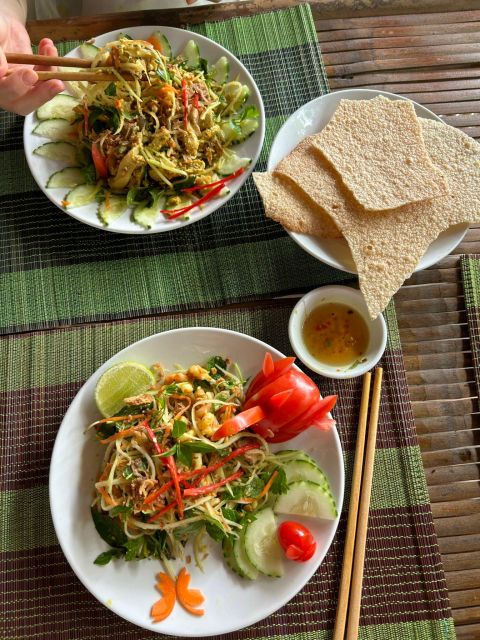
This is where the tour earns its keep. You’re not watching from the edge of the field, you’re part of the work. You’ll handle tasks like raking and sowing, then watering young plants, and finally harvesting herbs for the meal you’ll cook later.
What you’ll learn during these steps is less about “farm trivia” and more about the logic behind the system. Herbs are not just thrown into dirt and hoped for. The tour shows you why soil preparation matters, how seeding happens, and how watering supports growth. You begin to see a chain from labor to flavor.
Another helpful element is that the lunch ingredients come from the garden. When you pick herbs for your own meal, it’s a direct connection to the farming you just did. That makes the tasting part more meaningful, because you’re not just eating Vietnamese food you could order anywhere. You’re eating food linked to a living vegetable village.
Water buffalo ride and basketboat rowing, Tra Que style
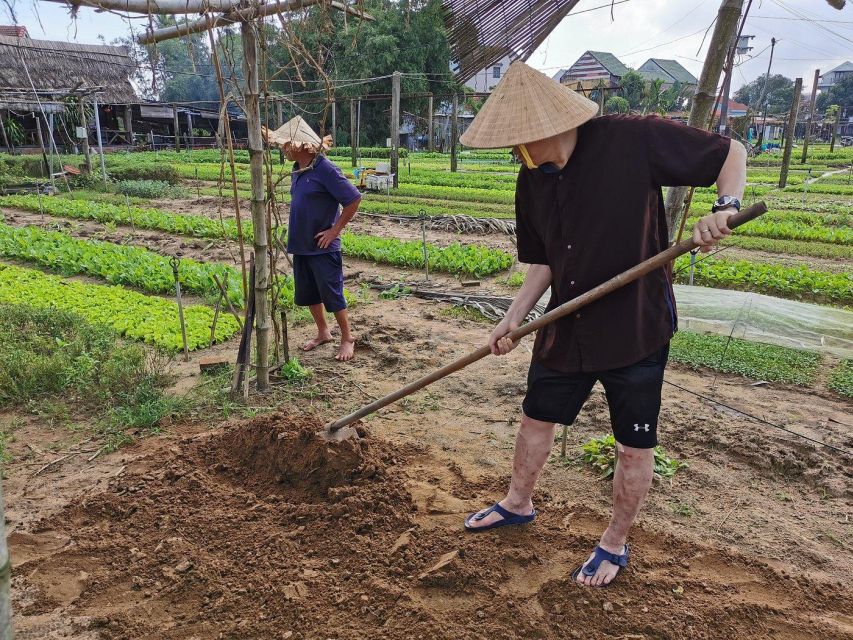
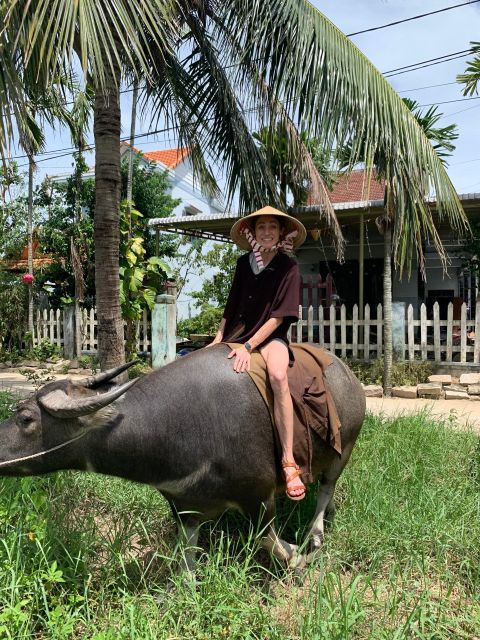
Next, the day gets more exciting. You’ll ride a water buffalo, described as local and absolutely beautiful. This isn’t a background activity, it’s a core moment of the experience, and it’s one of the most standout highlights for people looking for something beyond cooking and herbs.
After the buffalo, you’ll try a basketboat. The tour includes rowing a basketboat between coconut palm trees. This part feels like a change of pace, because it puts you on the water and slows down your focus to steering and balance rather than planting and harvesting.
A balanced way to look at these activities is this: they add fun and memorability, but they’re also physical. If you’re someone who doesn’t enjoy animals or is uneasy on boats, you may find this section less comfortable. Still, if you’re curious and willing, it’s one of the best chances to experience Tra Que as locals would, not as a museum.
Cooking lunch with the local chef, then eating what you made
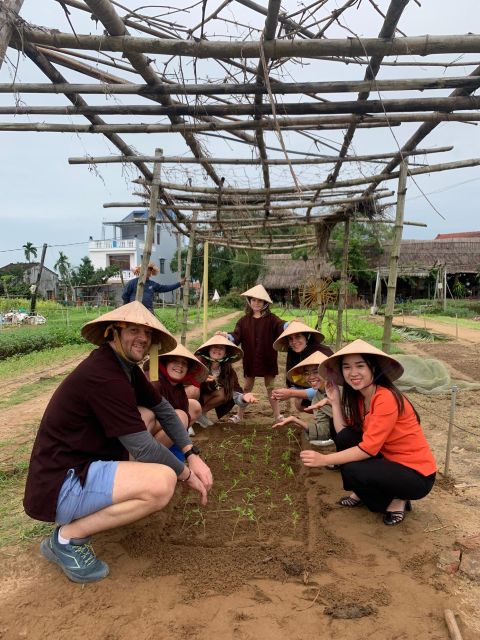
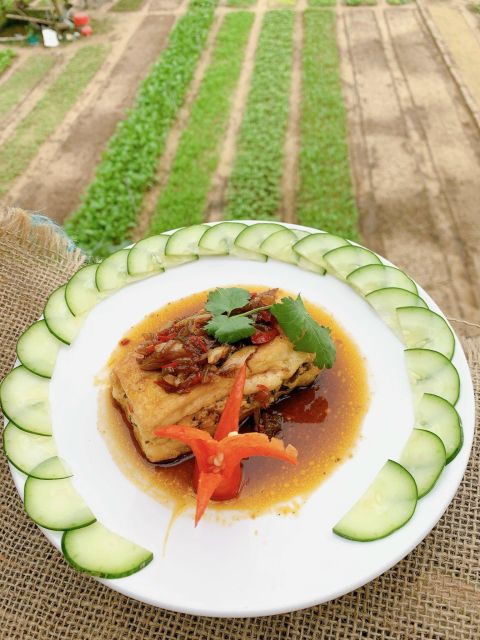
The food is a full event here, not a quick plate dropped in front of you. After your farm work and activities, you follow the local chef and family member of the Tra Que Water Wheel restaurant for a lunch menu. You’ll learn about local cuisine while you cook yourself.
This is one of my favorite formats. When you cook, you pay attention to aroma, texture, and timing. You also start noticing how Vietnamese flavors fit together, especially when you know the herbs came from the garden steps you just completed.
All diets can’t always be handled perfectly, but the tour is clear that they care about your wishes and allergies, as long as you tell them. And it shows in practice. In one documented experience, the kitchen made an extra dish without coriander for a guest who requested it. That’s a good sign for anyone with specific ingredient concerns.
For value, the lunch is doing extra work. It ties together the morning’s activities, turns what you learned into real taste, and adds a satisfying finish before you cycle back toward Hoi An.
Price and value: is $41 per person a fair deal?
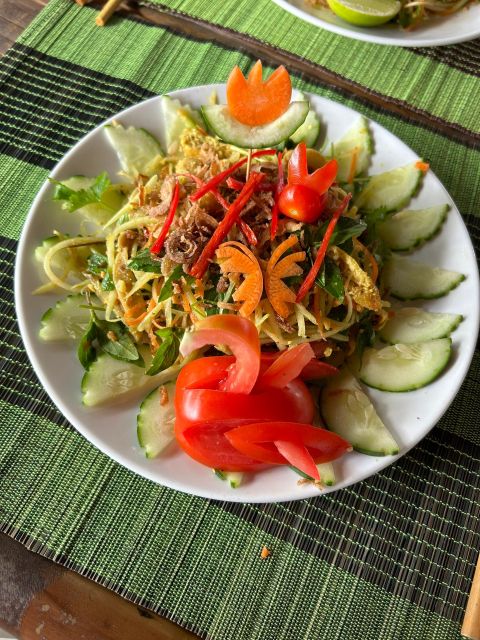
At $41 per person, this tour sits in the “reasonable day out” category for central Vietnam. What you’re paying for is more than transportation or a generic guided walk.
Here’s what that price buys you, based on what’s included:
- English speaking guide and welcome drink
- hotel pickup and drop-off (with the car detail on the return)
- eco-tour around the herb village
- farming with local farmers, including hands-on traditional work
- lunch menu, with cooking led by the local chef and family team
If you compare that to paying separately for a guided village visit plus a cooking class plus farm activities, it adds up fast. The main reason this feels like good value is the sequence: rice fields cycling, herb village education, soil work, then food you help cook. That flow is where the money makes sense.
The only time I’d hesitate is if you’re strictly looking for a relaxed sightseeing day. This tour asks you to participate, and it includes animal and water activities. If you want quiet photos only, you might feel like the schedule moves too quickly.
Who should book this, and who should skip it
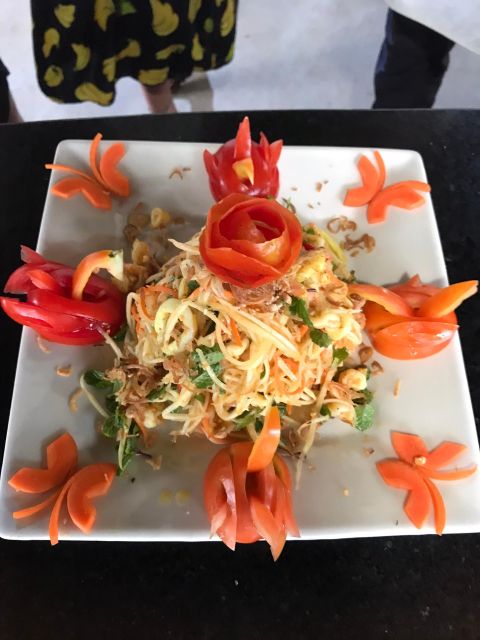
This tour is ideal if you want a day that mixes culture and action. You’ll get to cycle through rural fields, learn how herb farming works using manual techniques, and spend time with farmers instead of just viewing farmland from afar.
It also suits people who care about food meaning. If you like understanding where ingredients come from, picking herbs and cooking your lunch makes the experience click. The coriander-free option shown in one experience is also a helpful signal for guests with food restrictions, as long as you communicate your needs.
I’d think twice if you strongly dislike animal rides or you hate any activity that involves being part of field work. It’s not a passive tour, even though it’s friendly and paced by guides and hosts.
Should you book Farming with Farmers at Tra Que?
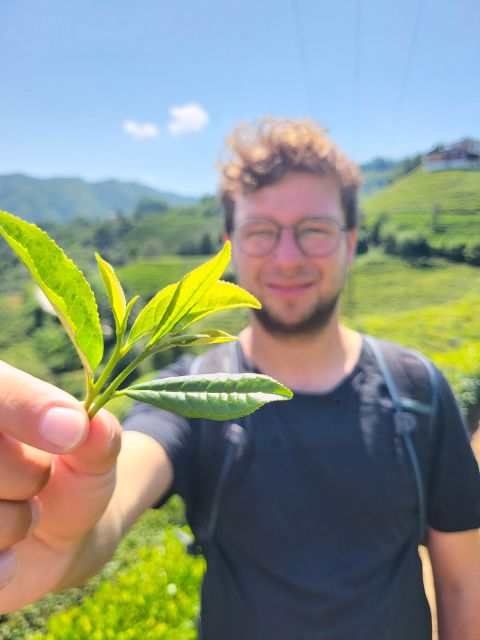
Book it if you want a countryside day that feels authentic and hands-on, with farm work, real local cooking, and standout experiences like buffalo riding and basketboat rowing. The price is fair for the amount included, especially because lunch is not just eaten, it’s cooked with the chef and tied to the herb harvest.
Skip it if you want a mostly seated, low effort day. This is active and outdoorsy, and the program includes animal and water moments.
FAQ
What does the tour include for pickup and transport?
You get hotel pickup and drop-off. The company can pick you up by bicycle, motorbike, or car as you wish, and you’ll return to your hotel after the activities.
How long is the cycling before arriving at Tra Que?
You cycle for about 20 minutes through the rice fields before reaching Tra Que.
What activities do I do at the Tra Que vegetable village?
You join an eco-tour of the heritage herb and vegetable garden, then you farm with local farmers using traditional methods. The activities include preparing land, fertilizing with seaweed, raking soil, sowing seeds, watering young plants, and picking herbs.
Do I get to ride a water buffalo and row a basketboat?
Yes. The experience includes riding a water buffalo and rowing a basketboat between coconut palm trees.
What is included in lunch?
Lunch includes a menu, and you cook with the local chef and family member of the Tra Que Water Wheel restaurant. The tour also takes allergies and wishes into account.
Is the guide available in English?
Yes. The tour includes an English speaking guide.
If I have an ingredient allergy, can the kitchen adjust the meal?
The tour says they care about your wishes and allergies. One experience included an extra dish made without coriander after a request, so it’s best to tell them your needs in advance.
What happens if I choose pickup by car?
If you choose pickup by car, the tour notes that you take a private taxi back to town.
Can I pay later and cancel if needed?
You can book and pay nothing today (reserve & pay later). You can cancel up to 24 hours in advance for a full refund.
More Farms in Hoi An


More Tour Reviews in Hoi An


Just added around Hoi An



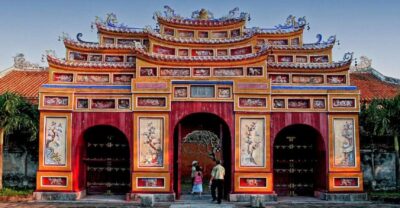


Tra Que Vegetable Village Tours, compared.
 ★ 5.0Hoi An Countryside Biking Tour(Vegetable village -basket boat – fishing village)From $45216 reviews
 ★ 5.0Hoi An Local Market and Vegetable Village Cooking ClassFrom $2993 reviews
 ★ 5.0Hoi An countryside biking – Basket Boat – Vegetable village – Local home CookingFrom $5837 reviews
 ★ 5.0HOI AN Biking Vegetable Village, Basket Boat, Coconut ForestFrom $3520 reviews
 ★ 5.0HOI AN Vegetable Village, Basket Boat, Palm Forest PRIVATE TOURFrom $4018 reviews
 ★ 4.9Hoi An: Authentic Cooking class in organic Herb VillageFrom $4116 reviews
 ★ 5.0Tra Que Village Cycling And FarmingFrom $2515 reviews
 ★ 5.0Half Day Cooking Class At Tra Que Vegetable Village Hoi AnFrom $719 reviews
Browse the lists this tour appears in